M&T Bank ATM withdrawal limit: how to find your daily cash limit
M&T Bank card limits can depend on the debit card and account relationship, while an individual ATM can impose a lower amount per transaction. The safest number is the one tied to your own card today.

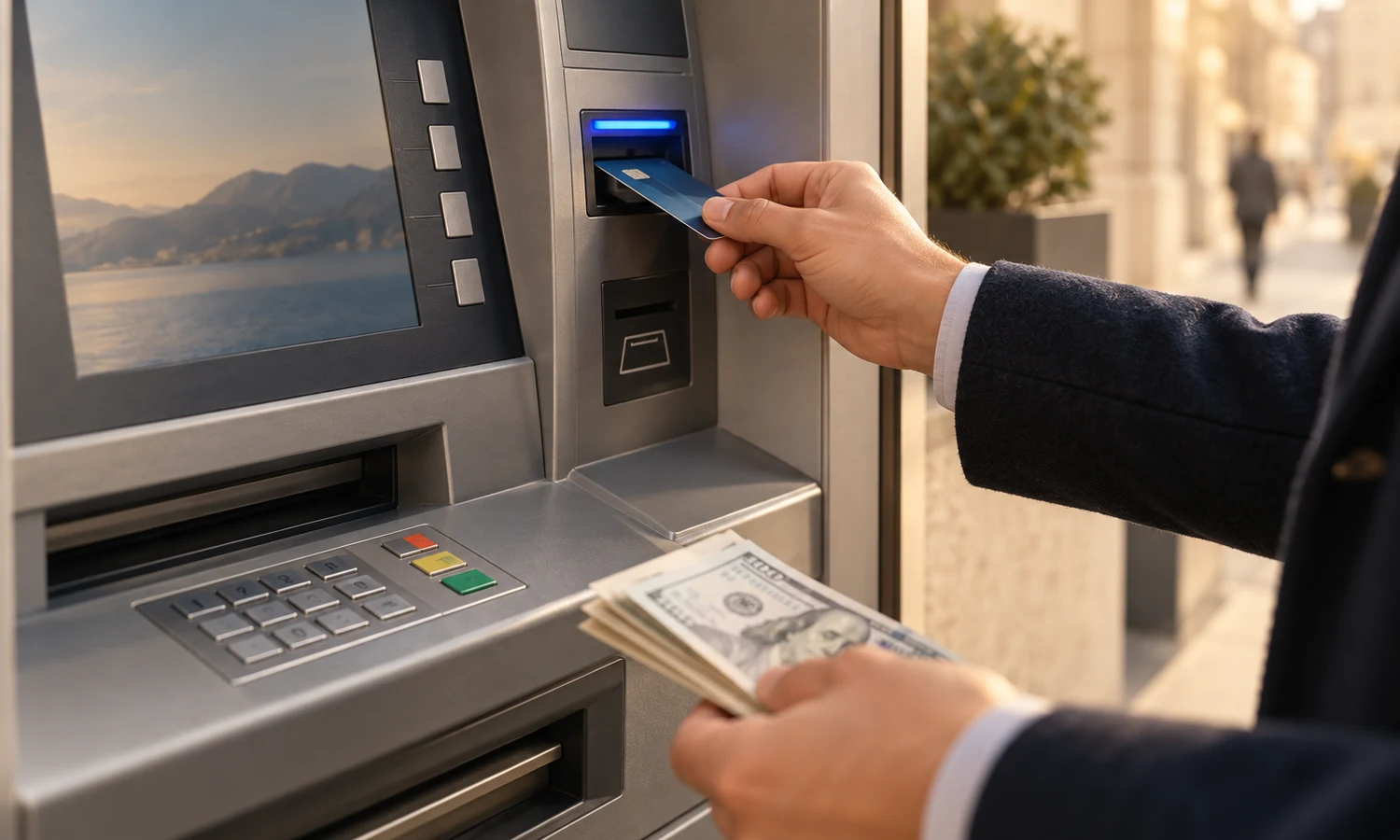
M&T Bank card limits can depend on the debit card and account relationship, while an individual ATM can impose a lower amount per transaction. The safest number is the one tied to your own card today.
Key takeaways
- There is no single ATM number that safely applies to every M&T Bank card and machine.
- The card’s daily cash limit and an ATM’s per-transaction limit are separate controls.
- Available balance, fraud controls and ATM cash inventory can lower what you receive.
- Review M&T digital banking and your card terms, or contact M&T, before relying on an online limit quoted for another card type.
What you need to know
M&T Bank card limits can depend on the debit card and account relationship, while an individual ATM can impose a lower amount per transaction. The safest number is the one tied to your own card today.
Why one ATM-limit number can mislead
A daily debit-card cash limit is a security control on the card relationship. An ATM is a separate device with its own denomination, cash inventory and per-transaction rules. That means a number quoted for the card is not a promise that every machine will dispense that amount in one withdrawal. A non-bank ATM can also impose a lower cap, while a bank-owned machine may have a different mix of bills available. For M&T Bank, the practical question is not simply “what is the ATM limit?” but “what is the cash-withdrawal limit on this card, and will this ATM dispense that amount?” A daily card limit and a per-withdrawal machine limit are separate controls. A machine can stop a transaction even when the card still has daily capacity left. That distinction is especially useful when you are traveling, using an unfamiliar machine or planning a purchase that depends on a specific amount of cash.
Your card limit and the machine limit are different
Think of a cash withdrawal as passing through several gates: the account must have enough available funds, the card must still have daily withdrawal capacity, the transaction must pass fraud controls and the ATM must be willing and able to dispense the requested amount. If any one of those gates is lower, that lower number becomes the practical limit for that transaction.
How to find the limit that actually applies
The most reliable approach is to start with the bank’s own digital banking tools and the card disclosures, then use support if you need a number before a large cash withdrawal. If the app does not show the limit clearly, call the number on the back of the card. Ask specifically for the daily ATM cash-withdrawal limit on your exact card, not the debit-card purchase limit. Review M&T digital banking and your card terms, or contact M&T, before relying on an online limit quoted for another card type.
What to do when you need more cash than an ATM will give
If the amount you need is above the ATM limit, splitting the request across several transactions may not help because the daily card limit still applies. A teller withdrawal, cashier’s check, wire, debit-card purchase or scheduled cash pickup may be more appropriate depending on what you are trying to pay for. For unusually large cash needs, call the branch first because branches do not keep unlimited cash on hand.
Fees, security and failed withdrawals
A declined ATM request does not always mean the account is short of money. The card can be at its daily limit, the machine can have a lower cap, or a security rule can block the transaction. Out-of-network operators may also charge a fee in addition to any bank fee. Before repeatedly retrying a declined withdrawal, check the account and card status so you do not trigger additional fraud review or unnecessary fees.
Frequently asked questions
Daniel Brooks
Daniel explains the operating rules behind everyday banking: card controls, ATM access, withdrawal limits and the account details that change what a customer can actually do.