PNC overdraft fees: how Low Cash Mode changes the way a short balance is handled
PNC combines its overdraft policy with Low Cash Mode tools that can help customers understand and respond to a negative available balance. The exact outcome still depends on the account and transaction.

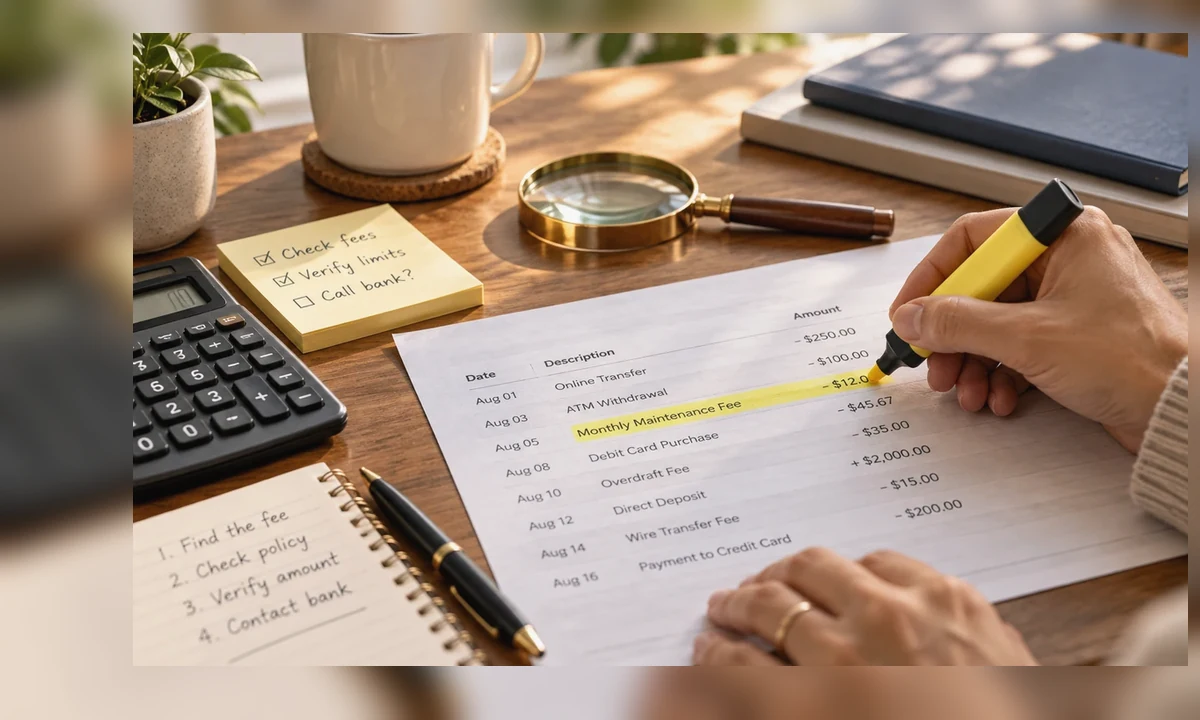
PNC combines its overdraft policy with Low Cash Mode tools that can help customers understand and respond to a negative available balance. The exact outcome still depends on the account and transaction.
Key takeaways
- PNC combines its overdraft policy with Low Cash Mode tools that can help customers understand and respond to a negative available balance.
- The most reliable reference is PNC Low Cash Mode and the current account fee schedule.
- Account-specific controls, timing and security review can change the practical result.
- Verify a large or time-sensitive transaction directly with PNC Bank before relying on it.
What you need to know
PNC combines its overdraft policy with Low Cash Mode tools that can help customers understand and respond to a negative available balance. The exact outcome still depends on the account and transaction.
How PNC Bank handles overdrafts today
PNC uses Low Cash Mode and account-specific overdraft rules to explain what happens when funds are short. Because features and charges can change, PNC Low Cash Mode and the current account fee schedule are the right references for a real transaction. The best reference is therefore PNC Low Cash Mode and the current account fee schedule, because overdraft programs and fee structures can change over time.
Why a negative balance does not always produce the same result
A negative available balance can be created by card purchases, ACH debits, checks, recurring payments or other transactions, and PNC Bank may treat those items differently. Some payments can be declined or returned, while others may be paid according to the account’s current overdraft settings. The transaction type, amount, account history and available balance all matter.
Available balance matters more than the number you remember from yesterday
Pending card authorizations, deposited checks that are not fully available, recently posted fees and holds can make the spendable balance different from the balance you expect. Before making another payment, review the available balance in PNC Bank digital banking rather than relying only on the previous day’s ending balance.
How to reduce the chance of an overdraft
Use low-balance alerts, keep a small buffer, review scheduled ACH payments and subscriptions, and know whether the account has linked overdraft protection. If you expect a large debit, check the available balance after pending transactions. A transfer made after the bank’s cutoff may not arrive quickly enough to cover a payment that is already being processed.
What to do after an overdraft or returned payment
Look at the exact transaction, posting date and available balance before contacting support. Ask PNC Bank whether the item was paid, returned or covered by an overdraft feature, and whether any charge can be reviewed. If a merchant payment was returned, resolving the bank balance does not automatically resolve any separate merchant fee or late-payment issue.
Frequently asked questions
Official sources
PNC — Overdraft solutions ↗Victor Hale
Victor is the team’s fine-print specialist. His work compares official fee schedules, limit language and account disclosures so readers can separate a universal rule from a bank- or customer-specific number.