U.S. Bank direct deposit time: when payroll posts and why the hour can change
U.S. Bank direct deposits do not all appear at one fixed hour. The timing depends on when the employer or benefits provider sends the ACH file and when the bank receives and processes it.

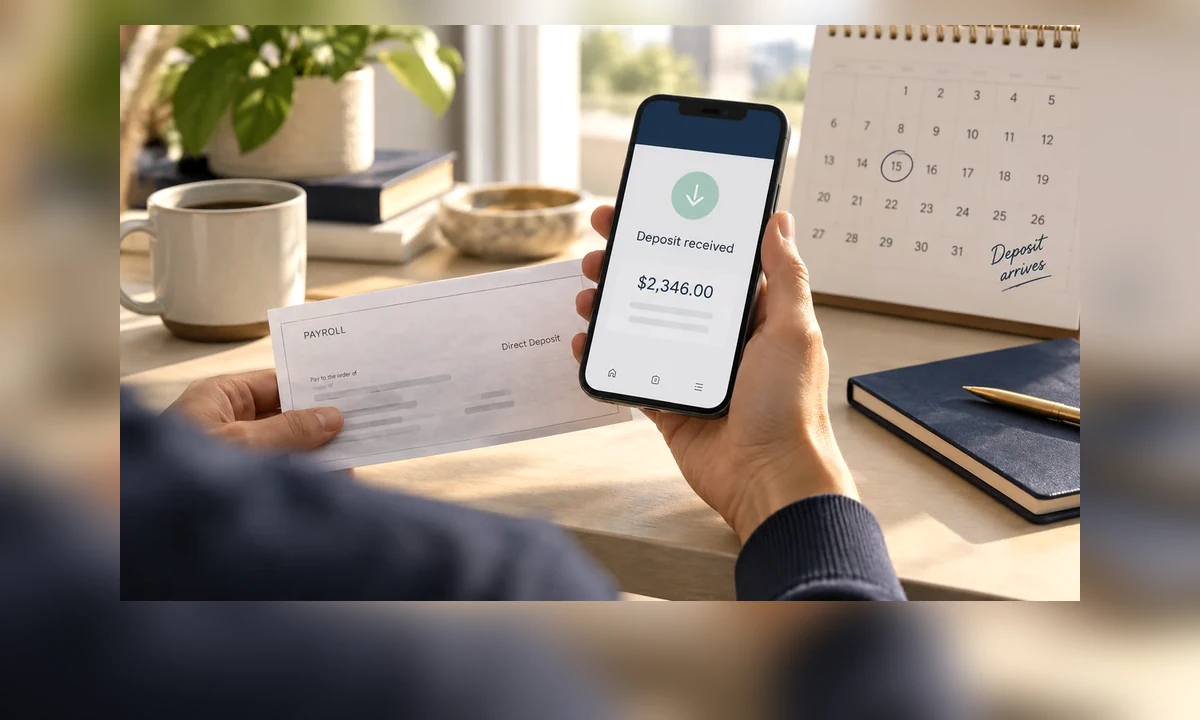
U.S. Bank direct deposits do not all appear at one fixed hour. The timing depends on when the employer or benefits provider sends the ACH file and when the bank receives and processes it.
Key takeaways
- U.
- The most reliable reference is when the ACH file is received and posted.
- Account-specific controls, timing and security review can change the practical result.
- Verify a large or time-sensitive transaction directly with U.S. Bank before relying on it.
What you need to know
U.S. Bank direct deposits do not all appear at one fixed hour. The timing depends on when the employer or benefits provider sends the ACH file and when the bank receives and processes it.
How U.S. Bank posts direct deposits
U.S. Bank can only post a direct deposit after the incoming ACH information reaches the bank and is processed. Since employers and agencies send files at different times, the useful rule is when the ACH file is received and posted rather than a promise of one universal hour. In practice, when the ACH file is received and posted describes the feature better than any promise that every payroll will arrive at a particular hour.
Why there is no universal posting time
Payroll timing starts with the employer or benefits provider. The payer sends an ACH file, the payment travels through the banking system, and U.S. Bank can only make the money available after the relevant information reaches it. Two employees paid by different payroll providers can therefore see deposits at different times even when their official payday is the same.
Why early pay can vary from one pay period to another
Early access depends on when the payer submits instructions. A holiday, payroll correction or later-than-usual file can reduce or eliminate the early window. The feature should be treated as earlier availability when possible, not as a guaranteed change to the employer’s official payday.
How to troubleshoot a missing paycheck
First confirm the official payday and ask the employer whether the payroll file was sent. Then check the account for a pending or posted credit and verify the routing and account numbers used for direct deposit. If other employees were paid and your deposit is missing, contact U.S. Bank with the expected amount and payer information.
Plan bills around the official payday
Because early access can vary, recurring bills are safest when they are scheduled around the official pay date rather than the earliest deposit you have ever received. Treat early pay as useful flexibility and keep a small buffer for weekends, holidays and payroll exceptions.
Frequently asked questions
Official sources
U.S. Bank — Direct deposit ↗Isabella Rossi
Isabella focuses on the rules that shape when money posts, when a business day starts and how consumer-facing bank policies translate into real account behavior. Her specialty is making timelines understandable.