Why banks place holds
Understand check deposit holds, funds availability, risk reviews and why accepted money can still be unavailable for a period of time.

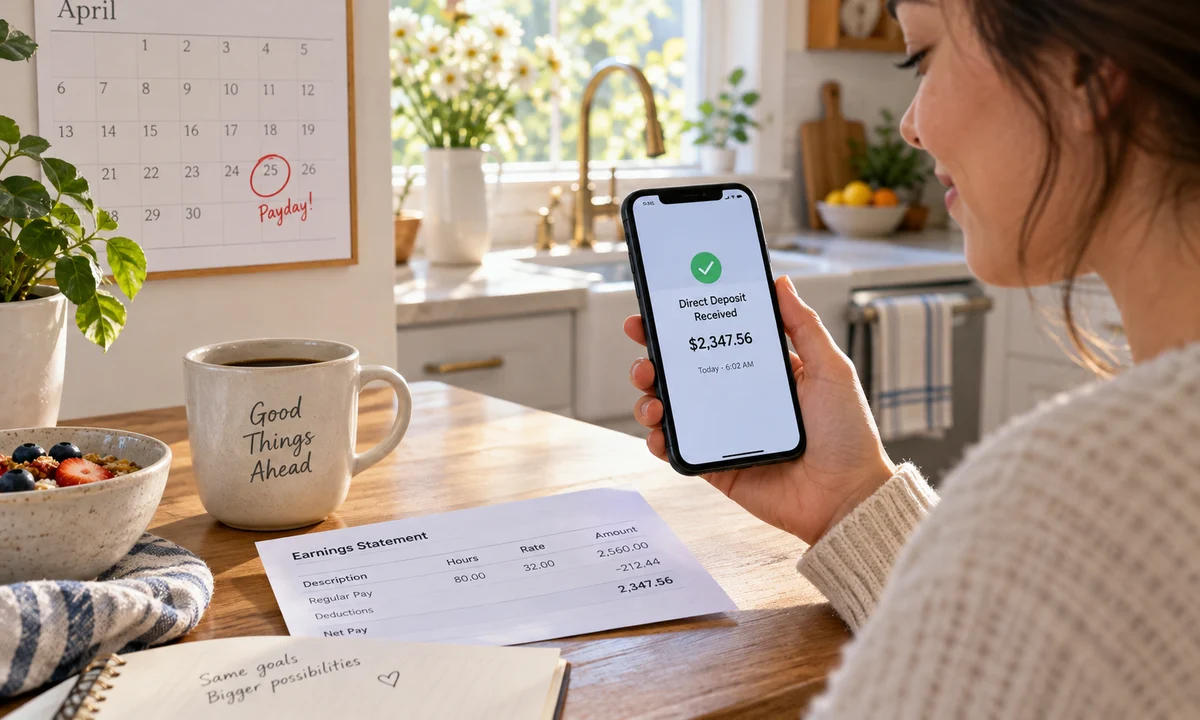
Understand check deposit holds, funds availability, risk reviews and why accepted money can still be unavailable for a period of time.
Key takeaways
- A bank can accept a check or deposit while delaying access to some or all of the funds.
- When a bank accepts a deposit, it has received the item for processing.
- The cleanest way to read a bank app is to look for both the current balance and available balance, plus any message that shows a release date.
- Holds help banks manage the risk that a check is returned, altered, duplicated or otherwise not collectible.
A hold is about availability, not necessarily whether the bank accepted the deposit
A bank can accept a check or deposit while delaying access to some or all of the funds. The reason and timing depend on the deposit type, account history, amount and applicable availability rules.
Accepted is not the same as available
When a bank accepts a deposit, it has received the item for processing. “Available” means the bank lets you use the funds. Those two events can be separated by a hold. This is one reason a balance screen can show a deposit while the available balance is lower.
The cleanest way to read a bank app is to look for both the current balance and available balance, plus any message that shows a release date. The release date is more useful than assuming every deposited check follows one universal schedule.
Common reasons a hold can happen
Holds help banks manage the risk that a check is returned, altered, duplicated or otherwise not collectible. Larger deposits, new accounts, repeated overdrafts or a bank’s reason to doubt collectibility can affect the availability schedule. The specific rule can differ by deposit and institution.
A mobile deposit can also have separate submission limits and availability timing. Being allowed to photograph and submit a check does not automatically mean the full amount is immediately spendable.
What to check before calling the bank
First, confirm the deposit date and whether it was before the bank’s cutoff. Second, check the receipt or app for a stated availability date. Third, compare the “current” and “available” balances. Finally, verify whether the bank sent a hold notice explaining why access is delayed.
If a hold is longer than expected, ask the bank for the specific availability date and the reason category. That is more useful than asking only, “Why is my money missing?”
Cash, electronic deposits and checks behave differently
Not every incoming payment carries the same collection risk. A check must be collected from the paying bank, while many electronic credits arrive through a different process. That is why check-hold questions should not be mixed with direct-deposit timing or ATM cash-deposit questions.
For an exact answer, use the bank’s funds-availability disclosure and the message attached to your specific deposit. General rules explain the framework; your receipt or account message gives the practical date.
Leo Kaplan
Leo shapes long-form explainers and the editorial standards behind them. He focuses on turning complicated bank rules into structured, readable guidance without losing the exceptions that make the answer accurate.